
Go a little deeper
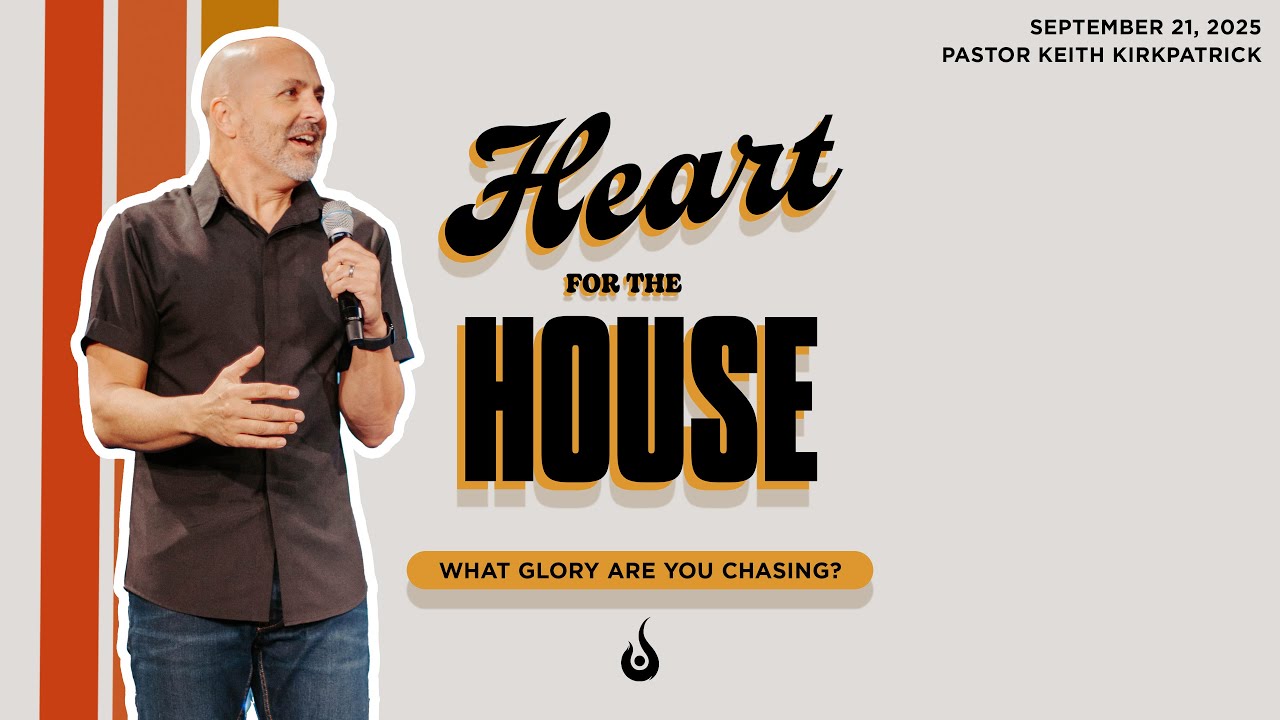
Pastor Keith walks through John 12:1-11, the dinner at Bethany six days before Passover. He starts at the end of the passage, noting that Lazarus's resurrection drew crowds who believed and also drew religious leaders who plotted to kill him. From that he draws a warning that a bigger miracle brings a bigger stewardship, and that not everyone will celebrate what God does in your life, though the breakthrough is still worth it. He then returns to the beginning, framing the dinner as a celebration with Jesus as the guest of honor.
Pastor Keith reads three responses to Jesus at the dinner. He describes Martha’s service as worship flowing from faith in Jesus and Lazarus’s presence as a testimony to what Jesus had done. Mary’s costly anointing and willingness to face judgment become his picture of sacrificial worship. He connects her devotion with Jesus sharing her grief in John 11.
Judas objects to Mary’s use of the expensive perfume, though John explains that his concern conceals theft. Pastor Keith contrasts this with generosity, drawing on David’s insistence on paying for an offering and Paul’s teaching about willing giving. He closes by asking listeners which response to Jesus describes them and inviting them to believe in him.
Take this with you
Breakthrough carries a stewardship
In John 12:9-11, Lazarus's miracle brought both believers and death threats. The pastor's starting point is that not everyone will celebrate what God does in your life, and he urges listeners to count the cost. His conclusion is not to avoid the miracle but to expect opposition alongside it.
Serving is worship
Pastor Keith presents Martha’s service in John 12 as worship rooted in faith. He argues that Jesus did not condemn service in the earlier account in Luke, and applies Martha’s example to practical work in the church. He connects this with 1 Corinthians 10:31 as a call to honor God through ordinary activities.
Your testimony is worship
In John 12:2 Lazarus reclines at the table, and John 12:9–11 describes crowds coming to see him. Pastor Keith imagines their questions as he interprets Lazarus's presence as testimony and worship. He pushes back on the idea that a story is less valuable if someone grew up in church, calling early faith a story worth telling.
Sacrifice flows from knowing Jesus
Pastor Keith connects Mary’s costly anointing with her experience of Jesus sharing her grief in John 11 and with Jesus’ explanation that it anticipates his burial. He presents her devotion as a response to knowing Jesus. Drawing on David’s insistence on paying for an offering, he urges generosity and trust rather than excuses or self-reliance.
Religious-sounding excuses can hide the heart
In John 12:4-8, Judas's concern for the poor used biblical-sounding language, and the pastor notes Scripture does command care for the poor. But John tells us Judas was a thief. The pastor says that if the church feeds the poor without pointing them to Jesus, it has missed what matters most: the gospel.
The conversation,
in their words.
Transcript from the recording’s captions. Select any timestamp to hear the original audio.
Last week, I I proposed a question. What would you do if today was your last day on earth? What would you do differently? I mean, what would matter most in your life or what would not matter at all? That's a worthy question to ask. And now I'm going to get into God's word. And I want you just to go there with me. And and if you brought a Bible, this is a good good time to get it out right now. If you're wondering if we're getting into this book, we love this book. So get out your Bible right now. Wave in the air like you care. I want to just see that you're going with me here. And on the count of three, I want everyone, every single person, I want you just to shout word because that's what we're getting into right now. God's word. On the count of three, here we go. One, two, three. Word. We're getting into God's word. So God's word will get into us. Come on, somebody. Hey, pray with me. Lord, would you bless this time as we get into your word, I'm asking for
clarity. I'm asking for power. And I'm asking, God, that you would bring us into unity that we would believe the best is yet to come. So we thank you for what you've done at this church. You get the glory, Lord. We thank you for the space being open and we ask for your blessing and your favor. We take you at your word today and we want every promise fulfilled in our lives. So we love you, Jesus. Speak to us now through this word today. I ask in the great name of Jesus Christ. So be it. And amen and amen. Hey, if you're able to, would you just stand for the reading of God's word today? I would like to read to you out of John 12:es 1-1. John 12:es 1-1, which is where we pick up today on our journey through the book of John. 6 days before the Passover, Jesus therefore
came to Bethany where Lazarus was whom Jesus had raised from the dead. So they gave a dinner for him there. Martha served, and Lazarus was one of those reclining with him at the table. Mary therefore took a pound of expensive ointment made from pure nard and anointed the feet of Jesus and wiped his feet with her hair. The house was filled with the fragrance of the perfume. But Judas's scariot, one of his disciples, he who was about to betray him, said, "Why was this ointment not sold for 300 dinari and given to the poor?" He said this not because he cared for the poor, but because he was a thief and having charge of the money bag, he used to help himself to what was put into it. Jesus
said, "Leave her alone so that she may keep it for the day of my burial. For the poor you will always have with you, but you do not always have me." When the large crowd of the Jews learned that Jesus was there, they came not only on account of him, but also to see Lazarus whom he had raised from the dead. So the chief priests made plans to put Lazarus to death as well because on account of him, many of the Jews were going away and believing in Jesus. This is the word of the Lord. You may be seated. Let me start today with the end and then work our way back to the beginning. So we'll start with the end verses 9-11 and then come back to the beginning in John 12:1.
Many of us would love to see some big miracles in our lives. We would love some breakthrough. We would love to see God do some great things in our lives. But I want to warn you from today's texts that the bigger the miracle, the bigger the stewardship of what God has done in your life. What I mean by that is you got to count the cost of what will come with your breakthrough miracle. I mean Lazarus really experienced the biggest miracle you can experience. He was dead, buried in a tomb for four days. He was raised to life. Jesus called him by name. He came out and the Bible tells us in his grave clothes like a mummy. This is the walking dead. He comes out. This is a big miracle. And you would think I would
love to experience a miracle like that in my life. Well, I want to warn you, not everyone will celebrate that miracle. Some people will want to put you to death. And it's always been confusing to me, but what happened then still happens today. that not everyone will celebrate what God's doing in your life. Instead, there will be opposition. So, you got to count the cost. And I will say it's always worth experiencing the big, bold, beautiful, breakthrough miracles in your life. It's worth it, but it does come at a cost. The the the religious leaders of Jesus day not only wanted to put Jesus to death, but because so many people were believing in Jesus because of Lazarus. Now, what were they believing? His testimony.
He was dead, but now he's back to life. And God is doing the same thing right here today as well. 2,000 years later, we're still celebrating the dead coming back to life. Come on, someone can testify to that. You were dead in your sin, but now you're forgiven and you're set free. Some people won't recognize that. Some people won't celebrate that. This church is all about Jesus. And Jesus is not about you having a better life or the little polished life. No, he's he's about all about taking your life and making it new. He's a God that does new things. So, we go back to the beginning. What's happening in this story? Well, John first tells us the timeline. This is six days before the Passover. We're days
away from Jesus being crucified. Six days before the Passover. Now, reading the book of John, we understand that this the Passover is not so much about celebrating the tradition of what God did in the book of Exodus, which is where you learn about the Passover. Jesus is the greater Passover. Jesus is the greater Passover lamb that was sacrificed on the cross. So, the Passover is the celebration of the Israelites who were oppressed in slavery in Egypt. Yet God delivered them and brought them to a promised land. Jesus is the greater deliverer. Jesus is the one that still sets people free from slavery, the slavery of sin. Jesus is the one that will let you be passed over by death by believing in him and what he's done for you. And John is setting the stage in 12 verse one saying six
days before Passover, Jesus therefore came to Bethany where Lazarus was. That's where Lazarus and his two sisters lived. Lazarus, Martha, and Mary, whom Jesus had raised from the dead. And then verse two, we're told, "So they gave a dinner for Jesus there." This is a celebration. They're celebrating Jesus and what he's done. Nothing is wrong celebrating. For too long, the church has looked like it's dead, but it's okay for us to celebrate what God has done. You can look out at our lobby today and we've we've decorated it like a party because it's a celebration. We're celebrating. I tell you that space behind me was dead, but now it's alive. That's called redemption. That's what God does. And when it looks like it's over, God is just getting started. So, they come together and they're having a
celebration. And John tells us all of this, the the the center of the celebration is Jesus. He's the guest of honor. He's the reason they're coming together. And when we come together and celebrate like this at Journey Church, we're still doing the same thing today. We proclaim that it's all about Jesus. In John 12:2 though, we're told of some other characters that we ought to learn from. The first one we learn about is Martha. We learned about Martha in John 11. We also read about Martha in the book of Luke. This these this detail. But here's the only thing that John tells us happens with Martha at this celebration. And he says two words. Martha served. Come on, somebody. We need people that will serve. Martha served. If if Martha didn't serve, who who would have been able to eat that day? Who who wouldn't have been able to sit and recline at the table
that day? Martha served. This is who she is. And I want to declare to you today that service is worship to the Lord. Sometimes Martha gets a bad rap. And she gets a bad rap because in the book of Luke, she's serving Jesus as well before Lazarus was brought back from the grave. She was serving Jesus and Mary was at Jesus' feet. And Martha goes to Jesus and says, "Jesus, do you not see that I'm serving and my sister is not? Could you tell her to help me?" And Jesus tells Martha, Martha, Martha, Martha, this is what he says. Mary has chosen a greater thing. Another translation says, a good portion. Now, what Jesus doesn't say to Martha is serving is a bad thing.
Jesus does not condemn Martha and say, "You shouldn't be serving right now. You should be sitting." No, no. He just said, "Listen, I'm going to protect what Mary's doing because it's good." And sometimes when you sit at the feet of Jesus, not everyone will understand what's happening. But I want to declare to you, it wasn't bad that Martha served. Mary just chose the greater thing. We need Marthas in this world. We have a lot of Marthas in this church. There was a Martha that showed up this morning. I was here at the church and before 6:00 a.m. Britney was here and she's the one that helped decorate that lobby out there and she's just a superhero which means that's what we call our volunteers but she's not volunteering her time. She's a Martha. She's serving Jesus. She is serving the living Jesus. And there's we need Martha's here to serve.
And I just want to remind you that if you serve at this church, if you hold babies, I'll tell you, you're not just holding a baby. You're giving a mama an opportunity to meet with Jesus. When you make coffee here so that we can have a place of hospitality, you're doing doing more than making coffee. When you greet someone at the front door, when you help people with parking, if you feed the poor, or if you're in our prison ministry here, let me just tell you, you're being a Martha and you're serving Jesus. Now, why was Martha serving Jesus? Is it just simply because her brother Lazarus was brought back to life? Well, listen my friends. I want to tell you it was so much more than that. She was serving Jesus because when she was frustrated that her brother had died, it was Jesus
that said to her in John 11 verse 25, Jesus said to Martha, he said, Martha, I am the resurrection and the life. Whoever believes in me, though he die, yet he shall live. That's John 11:25. Jesus said to Martha, I am the resurrection and the life. He reveals to Martha who he is, the power of who he is, the person Jesus Christ. He brings dead things to life. And then he goes on to say in verse 26, "And everyone shall everyone, everyone, that's you, my friend, everyone who lives and believes in me," Jesus said, "shall never die." And then he asked Martha, "Do you believe this?" Then Martha said to Jesus, look at this.
Yes, Lord, I believe that you are the Christ, the son of God who is coming into the world. This is a woman that took Jesus at his word. Martha's a believer in Jesus. So don't think for just a moment that Martha's doing a bad thing at this celebration serving Jesus. She's serving Jesus because she believes in Jesus. Everybody, the Bible tells us in the book of 1 Corinthians when Paul's explaining to the church that we ought to be serving Jesus, he says in 1 Corinthians 10:31, he says, "So whether you eat or drink," he says, "Whatever you do, whatever you do, do it all for the glory of God." So whether you pick up chairs here on a Sunday after the second service or
whether you're picking up trash out in our parking lot, maybe some of you had to walk a few blocks just to get into church. May I just say it's not an inconvenience. Whatever you do, do it for the glory of God. Be like a Martha because Martha served Jesus because she believed Jesus. Now, it wasn't just Martha at this party celebrating Jesus. John tells us in John 12:2, Lazarus Lazarus was one of those reclining with Jesus at the table. My friends, may I just tell you today, reclining with Jesus or I would just say this, leaning into Jesus is worship. Some people may not understand this, but if you know what Jesus has done for you, you're going to spend time with him. I
could put it a different way, and I'm going to say this in spiritual language since we're having church right here, and I'm a preacher. Lazarus was testifying to the goodness of God. You have a testimony. How do we know that he was testifying by being at this dinner? Because people wanted to see Lazarus. Crowds were coming to hear the testimony of Lazarus. Is it true? Were you dead? Is it Is it true you came out in your grave clothes? Like, how'd you get out there if your head was covered? Is it true that Jesus called? I could just imagine what it was like for last. He was testifying that I used to be in a tomb, but today I'm with Jesus. Listen, if you linger and you long and you're leaning into Jesus, that is worship. I can picture this scene here
because the tables in the day of old, they were not the high tables like we have today where they sit in in chairs. In fact, they were close to the ground where you would have to lean in on one side. You would recline with your elbow on the table and your feet would be outside of the table opposite of where it was, far from the food. And I can just imagine Lazarus leaning into the table, looking Jesus in the eyes. He's wearing a t-shirt that says raised to life and and he's just listening to the words of Jesus. Can you see this? He's got a testimony. Someone in this world needs to hear your testimony. And that's your worship. There's some dead marriage that needs to hear that. I know it looks dead. I know it looks impossible, but my God takes dead things and bring them to life.
Someone needs to hear that I was dead in the tomb of addiction. But Jesus called my name and that's not who I am anymore. I'm a child of God. I'm set free. I'm sober. My life is changed because Jesus called my name. Someone needs to hear your testimony. And you've got a story. That's why you got to go through Rooted. Rooted will tell you that you have a story to tell. Every single one of us. It it's always a sad thing when I hear someone say something like this like, "I don't know. My story is not that great. I just I grew up in the church and I've always known Jesus and that's just that's my story. It's not that great." I'm like, "My friend, if you grew up in the church and you knew Jesus from an early age, that's a great testimony.
Hallelujah. You knew that you were saved from your sin early. You were rescued from hell early. You got to know Jesus early. That's a great testimony. Don't shrink back if you grew up in the church. I would have died to grow up in the church. I didn't grow up in the church, man. I had to learn later in life all the dumb things I did, I didn't have to do because of Jesus. If you got a testimony, share it. It's okay to say, "I was called out at three years old to follow Jesus." That's a good testimony. How good is that to say, you know? You know what? I know Jesus loves children because when I was a child, he called me, testified to the goodness of God. And that's exactly what Lazarus did. He was worshiping Jesus by just being with Jesus. And the whole
world wanted what Lazarus had. I know this region of Central Oregon needs this. They need the hope that we have. And it's okay to let them know that I'm no longer who I used to be. I was dead, but now I'm alive. Like Lazarus, lean into Jesus. That's your worship. Now, it's not just Martha, and it's not just Lazarus. Now, we're told in John 12:3, "Mary." Come on, someone shout, "Mary." Mary. I love Mary. This This woman is wild. She Mary is the one that would have come up to the altar during worship. Come on, somebody. Mary is the one that really didn't care what anybody else thinks about her when she's with Jesus. Mary therefore, she took a pound of expensive ointment.
I mean, this was more than Gucci. This was like, this is the stuff you can't even pronounce. I mean, this is expensive ointment. This perfume made from pure nard. Nard was a spice that was taken from the Himalayan mountains near Nepal. So, this was not easy to get. You didn't go to 7-Eleven to get nard. I mean, this was rare. This was exported. This was expensive. This is what the kings all over the world would use a as an anointing on themselves to to show that very few people have nard. This is a very expensive spice for perfume. And Mary takes this expensive I mean, you know how much a pound of perfume is? I mean, it it costs $100 for three little ounces of perfume sometimes. So, just imagine a pound of
perfume. And she anoints Jesus' feet and wiped his feet with her hair. The house was filled with the fragrance of the perfume. Now, I I've got to make sure that you understand the context culturally here because context always matters. In in the days of Jesus, the feet were the lowliest place of a person. So really, the feet represented what a slave would touch, not someone ordinary or not someone above you, which is really important to know as we prepare to go into John 13 in the coming weeks when Jesus goes down and washes his disciples feet. It's a dirty place. So think about this. God Almighty gets down in the dirt and he goes to the lowliest place. But before Jesus does
this, Mary gets down in the dirt. She walks around the table. She comes to the feet of Jesus. She breaks open the perfume. And what I love about Mary is through her sacrificial giving is worship. The whole house smelled like perfume. There was a shift in the atmosphere. Literally, the environment changed literally because of Mary. And as she's dumping this perfume on the feet of Jesus, Jesus is starting to smell like she smells and she smells like Jesus smells. And something has changed in the room. That's what worship does. You You can almost smell the fragrance. Sometimes you can feel a shift. It happens on Sundays here. We do a prayer time at 8:00 a.m. every single Sunday
right here in this auditorium. And there's always a shift that happens in that prayer time. People come in grumpy. They look dead. They look like zombies. They're sitting apart from other people because they don't really want to be touched or talked to. It's 8 a.m. on Sunday mornings every single week. But the moment that worship starts, something breaks in the atmosphere. There's like like their faces change. It's like they go from zombies to being alive. They go from being in the tomb to all of a sudden they're like Lazarus coming out and and there's a shift and it happened today. I saw it today. And I tried to yell at everybody before we worshiped. That didn't work. But the moment we worshiped, there was a shift that happened in the atmosphere. Can anybody testify that was here today that was saw that? Like there's a shift.
And so I want to tell you today that when when you want to see a shift in your life, it's going to require some sacrifice. It's going to require some some worship. And Mary goes even further because she doesn't just anoint Jesus' feet. She lets down her hair and wipes his feet. The lowliest place of a person in this society. She is in such an intimate place of vulnerability. And when I say intimacy, I don't mean anything romantic or sexual here. What I mean is she's in a posture to be judged by everyone in the room. that when you let down your life, when you sacrifice your all, people are watching. And she doesn't care if she's judged. This is worship.
Now, is she here worshiping Jesus sacrificially with their finances because Jesus brought her brother back to life? I believe it was more than that. Because when her brother was still in a tomb and she was frustrated and she went to Jesus and she was weeping. The Bible says in John 11:35 and just two words with Mary, Jesus wept. And I believe that Mary is now at the feet of Jesus. Because of all the people in this world that know who I am, know what I've been through. When I wept, Jesus wept. When I needed somebody just to be with me, Jesus wept. This was a woman that knew who Jesus was and he met her in her pain. That's what worship is. That you don't give to God because you got it figured out. You don't give to God because it's always easy. Sometimes you give to God because when I didn't
know what else to do but weep, you wept with me. And these words are cemented in history in John 11:35 to remind us that in our grief, God meets you in that place. But it appears that Mary did more than just give sacrificially, financially, and with this anointing of oil that that she had this intuitive spirit. There was some discernment inside of her that she could see something that no one else could see because Jesus even says later that she was preparing for his burial. It's it's like she knew that he was the Christ, the Messiah, the promised one of God. Mary reminds us that we ought not be so busy serving, which is good in worship, or so busy lingering and reclining with Jesus that that we miss the sacrifice.
I want to urge you wherever you are and remind you that Jesus is worthy of all worship. What's our response to the lavish, mighty love of Jesus? Could you ever give enough to God to say thank you? Could you ever worship enough to give him worth? Some would say that what Mary did was a lot of money. But but when you sacrifice something, it's got to cost you something. That was the case with King David long ago when he made a huge mistake. But David is called a man after God's own heart because when he made a mistake, he repented. Repented means to change your thinking, saying, "I need to trust God." And David made a mistake and he was turning back to God. And there was a man that was willing to offer David some oxen as a burnt offering. He was willing to offer him the free land
to burn that oxen. And this was David's response in 1 Chronicles 21:24. He says, "No, I will buy them from you for the full price. I will not take for the Lord what is yours, nor offer burnt offerings that cost me nothing. I I've got to give God something because of what he's given me. I I just can't do this for free. My response to God is I need to give to God because of what he's given to me. The one thing I've learned in life is if you're looking for an excuse, you will always find one. If you're looking for a reason not to give money to God, you will find one. And I hear it all the time. The reason I don't give money to the church is I just don't don't have enough money. And if you don't trust God when you don't have money, why should he give you any money?
And I I tell you, I I understand I'm not saying that what you're going through is not a struggle and not real, but God doesn't need your money. The Bible says that we could trust God, that we can test him. In the book of Malachi, which is the last book in the Old Testament, God is frustrated that his people are not giving him the best. They're giving him the rest, the the leftovers. And so the Lord says this, "Just test me in this. Try me in this." And let me tell you this, what the devourer has eaten, referring to the devil, if you've had the enemy ever take something from you, God promises that if you trust him, God will restore what the locusts have eaten. And we have seen this in this church over and over again. We could have easily made an excuse and said, "We're not going to build out that space because we don't have the money to do it." because three years ago we did not have the money to do it. We had every excuse in the world to say we we can't
move forward because we don't have the money to do it. But at some place you put a stake in the ground say I believe God is greater and you give to him and if you could be trusted with a little you could be trusted with much. Oh I hear excuses all the time. I hear couples who are Christians who love Jesus and they are not married and they start living together and when you ask the number one reason why are you living together when you're not married and here's the number one reason for money. We we don't have the money to live in separate spaces and one day we're going to get married. So before we get married we're going to live in separate places so we could save our money. But but here's what you're doing. You're playing marriage. your plain house, if you will, without the commitment of marriage, which is a covenant from God. And so, when you
decide to live separately instead of trusting God, saying, "Lord, we don't know how we're going to live separately, but we're going to honor you with our finances. We're going to honor you with our hearts. We're going to honor you throughout our lives. So, when we do get married, bless us with your favor because we have a God of abundance. You get to see God work." And I mean, no shame in this. By the way, if you just know I'm a king of excuses, I could stand before you and testify that if you're looking for one, you can find one no matter who you are, where you are. I see this all the time. People are looking and longing for an excuse. But yet, we have no problem buying things in this world that will break or rust or be stolen. But I tell you, if you invest in the kingdom of God, it will never be taken from you.
Releasing your money to the Lord is like saying, "I trust you, God." Holding on to your money is a self-reliance. Money will never make you a better person. And I'm not saying money is bad. But what I am saying is the same warning Jesus gave, where your treasure is, there your heart is. And we see Mary's treasure. Her heart is for who? Jesus. This woman didn't care if she was judged. When you go all out for Jesus, there's a gesture sometimes that that some people will misunderstand. But Mary seems to be the one that understood who Jesus was. Do you know who Jesus is? Because when you know who Jesus is, you're going to respond. You can't live the same. When you know that Jesus is the one that Daniel talked about, the
ancient of days. When you know that he's God Almighty that was there in the beginning that created everything and yet he became a man. When you know how much Jesus loves you. When you know how much Jesus heals you. When he sets you free. When he teaches. When he preaches. When he serves. When he blesses. When he prays. When he calls out the lies of the enemy. When he confronts the religious oppression. When he flips the tables when they need to be flipped. When you know this Jesus who willingly laid down his life, who was mocked, scorned, spit upon, slapped, stripped naked, his beard ripped out. This Jesus who had a crown of thorns thrust upon his head. He was flogged, and then he was crucified. When
you know this Jesus, you worship Jesus. And you worship him because he loves you. How could you outgive God? He loves you so much. The only thing holding you back from sacrificing is the fear that somehow if you give it, you're not going to get it back. But in God's kingdom, there's the principle of sewing. That when you serve like Martha, it's cemented in history where we get to learn about Martha. When you testify like Lazarus, it's cemented in history that you have a testimony. When you lavishly sacrifice like Mary, you get to see it. So why in the world is Central Oregon not saved? Because we have a lot of Marthas at Journey Church. We have the best Lazaruses ever. I I heard this Lazarus story of Steve right up here who's got his Bible open on on Sunday.
He's been coming to church here since last December. And I I started to hear his testimony. I already knew I love Steve and I've always loved Steve and we worshiped together and I've watched him weep during worship and I' he's gone through Rude and I' I've seen this man's life changed. But when I got to hear his testimony, how he lost his house in a fire and he lost every single thing he owns and he says it's just stuff. I' I've got Jesus. Well, it's just stuff. When I hear his testimony that he had two children before he was even 18, two, 15 and 17, he had two girls and he raised them on his own as a single father. And come on, somebody. And then God brings him to this house so that he knows that what he's been through is not wasted with God.
He's the first to tell you that he didn't do it perfect. But how many know that what the enemy intended for evil, God uses for good? So, so why isn't the world saved yet? Why why is Central Oregon not saved? If we got the Marthas, we we've got the Mary's, we got the Lazarus, let me tell you, because there's one other person in this room who was willing to step up and look like he was worshiping as well. He spiritualized it and he was using biblical principles to even look like it. I'll tell you, his name was Judas. And John says after the fact because he had to learn this much later, probably decades later, Judas was a thief. He was a li. He looked good. You can have people around you at church that look good. They sound good.
But Judas's scariot of verse four and five, he was one of the disciples who walked with Jesus, talked with Jesus. He heard the teachings of Jesus. But John knows he was about to betray Jesus. And he asked the question, why was this ointment not sold for 300 dinari and given to the poor? That's one year's worth of wage. You know how much ministry we could do with one year's worth of wage? And providing for the poor is a biblical mandate. God came up with the idea to take care of the poor. In Leviticus 19, if you owned a field, you you were to harvest your field and leave the outside of the field for the poor. God mandated instructions in the wisdom of Proverbs chapter 19:1 17. Whoever is generous to the poor actually lends to the Lord and he will repay him for his
deed. So the biblical principle is that you take care of the poor. Not to be mistaken with an asterric here though if someone's unwilling to work. The Bible actually warns us no you're not just going to uh create a culture of entitlement like we're starting to see in America. 2 Thessalonians 3:10 says, "If anyone's not willing to work, let him not eat." So if you can work, you need to work. But the Bible tells us that our God is a father to the fatherless. He's a protector of the widows. So if they need help, we ought to be the ones that help. So Judas comes alongside and sounds like Mr. Spiritual. We could be taking care of the poor right now because he saw Jesus love the least of these. He saw Jesus touch the untouchable. He saw Jesus love the poor. This is God's
heart. And Judas sounds so good. The religious spirit always sounds good. And it's in this place that John tells us. He said this verse six, not because he cared for the poor, but because he was a thief and having charge of the money back. He was like, you know, a year's worth of wage. I could have had some of that. I could have had some of that. But Jesus said, "Leave her alone." She She's doing this for my burial. For the poor you will always have with you. Verse eight, "But you do not always have me." Here's the reality. Poverty exists today because of sin. This is not God's plan. He didn't plan for there to be poor. I've shared with you a lot over this journey through the book of John that death is a result of
sin. It's not God's plan. But God brought a brought a solution for sin and death. And so we see that until Christ comes and and makes everything new, we will constantly have to be a part of his redemptive plan of the gospel. But if we take care of the poor and don't give them Jesus, we're not the church. So Jesus is simply saying, what's more important than caring for the poor? Jesus. Christ crucified, risen from the grave. For if we give a handout of food or help someone, and we don't point them to the hope of Jesus, we've missed what matters most, which is the gospel. The gospel is the good news that no matter who you are, whether
you're poor or whether you're wealthy, you need Jesus. And we see such a contrast between Mary and Judas. And today, I just want to conclude with you and and and even warn you. What type of person are you? What would you do if Jesus was right here right now? Would you respond like Martha, Lazarus, Mary, or even Judas? Last year, shortly after church in the park, it was at a pursuit night that I found myself in the lobby alone with a married couple who had been in ministry a very long time, and they were a very strong part of this church. And as we were talking, it it sounded so good. At first I was I they they actually hugged me physically. They looked me in the eyes and they used these words. We love you, Keith.
And then somewhere in the conversation came out. You don't love people. And here's why. You spent $80,000 on Church in the Park. That's a lot of money that could have been done differently. Sounds similar, doesn't it? I I found a defensive spirit as I was out in the lobby and whether I handled it right or wrong, I I'm still dealing with it with the Lord. But I I went home and I was flustered and frustrated and I was sharing with my family just venting about this conversation that I had alone with a church person in our lobby how they said this was just so much money. And you know those things will get in your head because that is a lot of money that we spend on church in the park. And I'm sharing that with my wife and my son who's been gifted with intelligence. He's a math nerd and he's there just listening to the conversation and he he butts in and he says, "How many baptisms were there, Dad?" And I said, "164." And
he just calculates with the math. 80,000 divided by 164. Dad, that's $487 per person. That's a pretty good return on investment. $487 per person getting baptized. Listen, we're almost done, but I don't want you to miss this. There was a shift that happened in perspective. Is $80,000 a lot of money? Yes.
But is a soul being saved for eternity? Is that valuable and worth $487? Yes. This year, spent about the same amount of money. We spent about $80,000 church part. And by the way, last year, this year I had PTSD and I didn't tell very many people how much money it was. Last year I told people because I wanted them to invest in it with me. I was like, we don't just do this for free. There's the permits for that park are thousands of dollars. I mean, we we rent out the LED walls and the silences. So, I was inviting the church into kingdom investment and then it was used against me. So, this year is like PTSD. I didn't tell you how much, but let me just testify. We spent about the same amount of money we spent last year, about $80,000, but we had, we're guessing, 250 hands raised for salvations if you opened your eyes and saw that. So that was about $320 per salvation. That's
your neighbor, your coworker, your family member, some stranger in this city that had no hope, found hope in Jesus for $320. That's a pretty low cost for someone getting salvation. Now, I'm willing to invest money into seeing Central Oregon saved, and there will always still be there will still be some Judas that says, "But what are we doing to take care of the poor?" Let me just tell you, uh, that's my Judas's voice. I'll tell you, you need to ask you need to ask Alen, who's on our knees with our our team right here with a what what do you call it? The creative team. You need to ask Alen and the youth and the young adults that just went to Africa. Africa to one of the poorest countries in the world, Uganda, who went to serve the families that we sponsor who have children who are disabled. And they went to the slums to homes who have no running water, no electricity, and they brought beans and rice and soap.
You just ask our young people if we're serving the poor here. And it's not just in Africa. But we support local organizations that can do better than we can do. Like the giving plate, which offers food to anyone without judgment or prejudice that if you need food, we are happy to support those organizations. And I don't need to toot the horn of what we spend money on. But we absolutely love the poor just like Jesus loves them. And we want to do more. Metaphorically today though, I'm challenging you, asking, are you a Martha? And if you are, God sees your service and that's worship. Today, if you're a Lazarus, you get to testify to what God's done in your life. And I just want to let you know that's worship. Today, if you're a Mary and you've given into what we're doing here, I want to thank you and say that wasn't just sewing financial seeds into a church.
This is worship. And if you are a Judas, you need to be forewarned here. God sees your selfishness. And one day you will be judged. and Judas is willing to come in and take and take and take. But I need you to know this. That's not the kingdom of God. I conclude with Paul's words to the church when it comes to financial giving. He says, "The point is this. Whoever sows sparingly will also reap sparingly. Whoever sws bountifully will reap bountifully." He's talking about financial investment into the church. This is not twisting your arms. This is not making you give. He says, "Each one of you must give as he's decided in his heart, not reluctantly or under compulsion, for God loves a cheerful giver." Just let that sit and marinate in your head. God loves a cheerful giver. The word in the Greek is hilario.
He loves it when you say it's hilarious that you're trusting him with your finances. when you've quit having excuses and I'm not about to pass a bag, a bucket, or a plate or anything right now. When you give at Journey Church, you give to God. You You don't give because, well, now there's pressure here. Here comes the plate. We're going to see what you put in it. This is between you and God. And when you do, verse eight tells us God is able to make all grace abound to you so that having all sufficiency in all things at all time, you may abound in every work. God can do more. So today, if you've never given, what's stopping you from starting? For some of you, you are giving. And I just want to challenge you. You can never give enough to God. This is not my petition. I'm not going to check our our our our bankroll to see who's giving and who's coming in and not giving. I'm just simply coming
before you with the word of God saying, "Let's have a little more Marys at this church. Let's see what God will do." And in the coming weeks as I share with you our numbers, we didn't hit all of our goals, but I am glad and satisfied that we paid for all of this without a single debt behind us. And that's because of the sacrificial giving here. So I just challenge you today that we would be worshippers here. I don't know if some of you came to church today, and I can't assume because you came to church that you've already believed in Jesus. He's constantly giving us new opportunities. Some of us have to go make big mistakes first before we say, "Oh, yeah. I do need Jesus." Some of you are young in this room, and it's never too early to say yes to Jesus. I love that we have very young worshippers here at Journey Church. You're never too young to go be a Mary.
So, I just want to take a moment and give you an opportunity for salvation. The Bible says if you believe in your heart that Jesus died on the cross and you confess with your mouth that he rose from the grave, you will be saved. Here's all that means is you got to surrender everything to Jesus. And the Bible says when you believe Jesus, you're forgiven of all your sins. Not some sins. All of your sins are forgiven. I do want to invite the band up right now as we pray. I'm just going to have you close your eyes right now. You're going to hear a little music behind you and I'm going to pray to the Lord and I'm going to give you an opportunity to say yes to Jesus in this prayer. God, I thank you today for this word and this time together. God, I thank you for who you are and what you've done. Lord, today I want to just start by thanking you for your faithfulness, for your goodness, that despite the judices of the world,
God, we can still give you our worship and you see it. Thank you that you you you work so differently than what we often think. So if there's people in pain today, I pray that you would meet them and give them hope today. Lord, I do declare healing in Jesus name because you do heal the sick. And even most importantly, Lord, I pray that those who have been wandering would no longer be lost, but in this moment they would be found. If that's you today, my friend, and you want to be saved, I want to give you this opportunity with eyes closed all across the room. I'm just going to ask you, do you want to believe in Jesus? Do you want to commit your life to Jesus the Christ and say, "I want to be saved." If that's you, would you just slip your
hand up so I could see who's making that decision? It is the best decision you could ever make. Just put your hand up and then keep it up so I can see it. Praise be to God. Yes. Yes. Praise God. Yes. Praise God. Praise God. He's changing families. He's changing individuals. Anybody else? Just keep your hand up. We're going to get a booklet to you. We want you to know you take the next steps. This is the beginning of the greatest journey of your life. Anyone else? Just throw your hand up. Praise God. So blessed and excited for those brave enough to say, "Yes, I need Jesus." Because when you do, God's going to give you his Holy Spirit. And in this moment, I want you who are I want you to pray with me out loud. Anyone who's ever believed in Jesus, can we join them in prayer? And prayer is talking to God. It's listening to God. The Bible says pray all the time, everywhere.
So pray wherever you are. But right now, I just want you to pray a simple prayer that's just simply committing your life to Jesus, saying, "I believe in you." So, repeat these words after me. Lord Jesus, Jesus, I believe in you. Forgive me of my sins. I worship you. And you alone. Thank you for your love. I receive the Holy Spirit. In Jesus name. Amen. And amen. Could you all thank the Lord today? He's been good. He's been faithful. Hallelujah.
Read · talk · practice
Keep growing.
Together.
Counting the cost of what God has done
The passage opens with a dinner for Jesus in Bethany after Lazarus's resurrection and ends with crowds coming to see Lazarus and religious leaders plotting his death. The pastor warns that a big miracle brings a big stewardship.
John 12:9-11
- How does Pastor Keith use Lazarus's story to explain the cost that can accompany what God does?
- What does he say about expecting that not everyone will celebrate what God does?
Martha: serving as worship
The pastor devotes significant attention to two words, that Martha served, and defends Martha from being cast as the wrong kind of disciple. He connects her serving to her belief and applies it to practical service in the church, calling that service worship.
John 12:2 · John 11:25-27 · 1 Corinthians 10:31
- The pastor says Martha served because she believed Jesus—how does that reshape how you view serving?
- What ordinary task in your life could you offer to Jesus as service done for God's glory?
Lazarus: leaning in and sharing your story
Lazarus says nothing in the passage, but crowds come to see him. Pastor Keith interprets his presence at the table as testimony and worship, and argues that early faith or a church upbringing is not a lesser testimony.
John 12:2 · John 12:9-11
- How does Pastor Keith's teaching about sharing testimony relate to your own story?
- If you came to faith early or grew up around church, what would it take to stop treating your story as lesser?
Mary: sacrifice that costs something
Pastor Keith presents Mary’s costly anointing as devotion that risks others’ judgment. He connects it with Jesus sharing her grief in John 11 and David’s insistence on paying for an offering, then urges generosity and trust rather than self-reliance.
John 12:3 · John 11:35 · 1 Chronicles 21:24
- How does Pastor Keith connect Mary’s sacrifice with knowing Jesus?
- The pastor connects holding money tightly to self-reliance—where does that land in your own life?
- Have you ever felt judged for something you gave or sacrificed? How does Mary's example speak to that?
Judas: good-sounding excuses and real generosity
Judas's objection to Mary sounds biblical. The pastor acknowledges the Bible's commands about caring for the poor, then argues that the church cannot stop at aid without pointing people to Jesus. He ends by contrasting all four responses and asking which one describes the listener.
John 12:4-8 · Leviticus 19 · Proverbs 19:17 · 2 Thessalonians 3:10 · 2 Corinthians 9
- How do you tell a genuine concern for the poor from an excuse to avoid something God is asking of you?
- The pastor says the gospel matters most in caring for the poor—where do you agree or disagree, and why?
- Which of the four responses—Martha, Lazarus, Mary, or Judas—most describes you right now?
Answers from this recording
Start a conversation.
What does this message say about serving in the church?+
Pastor Keith presents Martha’s service as worship rooted in her faith in Jesus’ identity and power to give life. He argues that Jesus did not condemn service in the earlier account in Luke. He connects Martha’s example with 1 Corinthians 10:31 and urges listeners to honor God through ordinary work in the church.
Why was Mary's act of anointing Jesus with costly perfume so significant in this sermon?+
Pastor Keith emphasizes the expense of Mary’s perfume and her willingness to face others’ judgment. He connects her devotion with Jesus sharing her grief in John 11 and with Jesus’ explanation that her anointing anticipates his burial. In his reading, Mary’s sacrifice expresses her knowledge of Jesus, and its effect on the room illustrates how worship can affect a gathering.
How does the pastor handle Judas raising a concern for the poor?+
Pastor Keith acknowledges that care for the poor is commanded in Leviticus and Proverbs. He contrasts that genuine concern with Judas’s concealed theft, which John describes. He argues that the church’s care for those in need should also communicate the hope of Jesus’ death and resurrection.
What did the pastor say about giving money to the church?+
Pastor Keith presents giving as trust in God rather than compulsion, and says no offering is being collected during the message. He draws on David’s insistence on paying for an offering and Malachi’s call to trust God with resources. He contrasts generosity with self-reliance, then uses 2 Corinthians 9 to urge willing, joyful giving.